The journal
How can I create my own art journal? Practical starter guide
how to start an art journal with practical, conservation-aware steps for supplies, techniques, a 30-day plan, and storage tips.
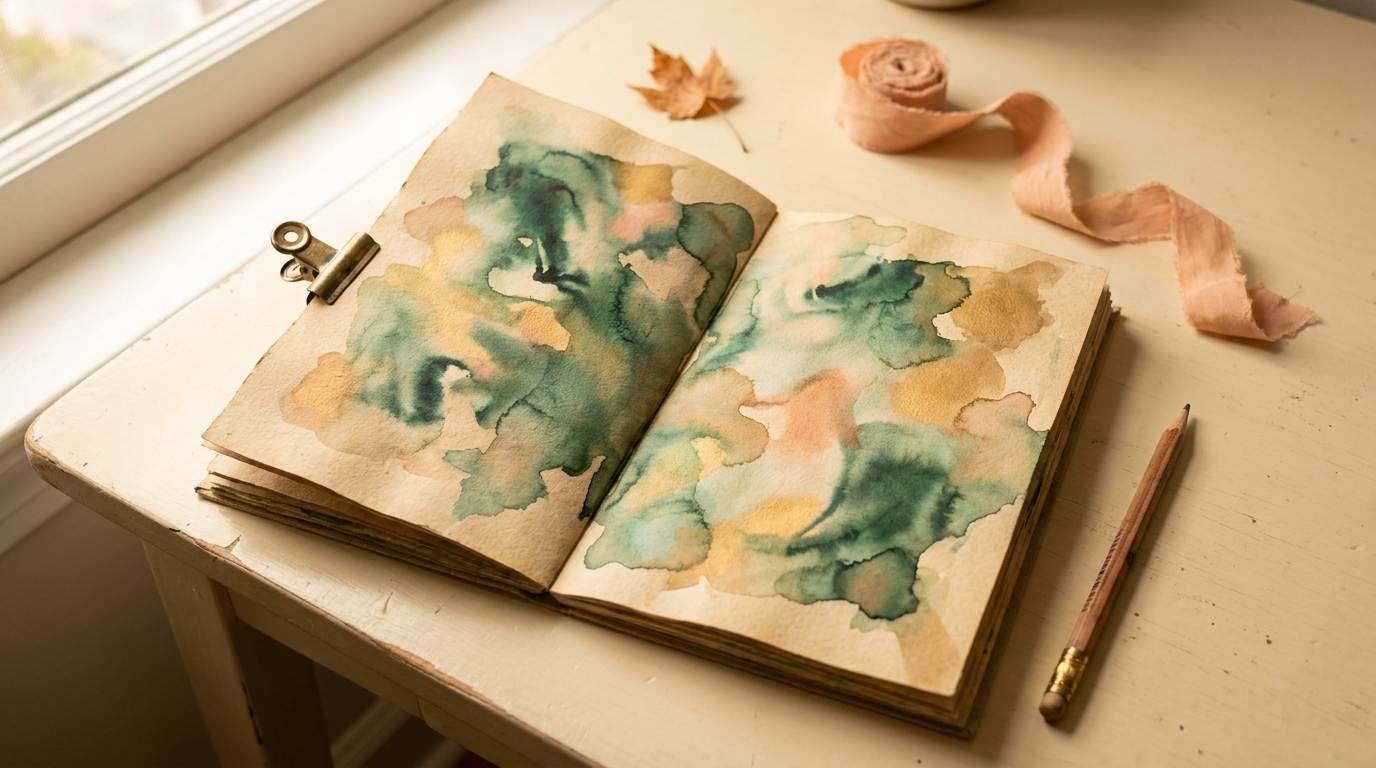
How to start an art journal: what an art journal is and what to expect
How to start an art journal is a question many beginners ask when they want a place to experiment, collect memories, or practice skills. An art journal can be a daily sketchbook, a mixed-media memory book, or a loose series of experimental spreads; the term covers any bound or loose pages used for making and keeping visual work rather than a finished gallery piece.
Think of an art journal as both a tool and a record. Some people use it for quick sketches and color studies, others layer paint, collage, and handwriting into pages that record time and ideas. Choosing whether you want quick, disposable pages or a durable archive will shape decisions about paper, binding, and adhesives, because materials affect how long pages stay stable and attractive.
Common formats range from spiral sketchbooks and hardcover sketchbooks to handmade signatures sewn into a cover. Prebound sketchbooks are convenient and durable for everyday use, while making your own book gives flexibility in page size and paper weight. If long-term care is a concern, favor formats that allow you to use archival-grade materials and ease of storage.
When setting expectations, be realistic about process and outcome. Early pages will teach you what you like and what materials you reach for. The main goal for a first book is habit and learning rather than perfection; consider your art journal an evolving project.

How to start an art journal: choosing paper, format, and supplies
Choosing the right paper and format matters because paper and adhesives affect longevity and workability. For paper-based works, conservation guidance and acid-free, lignin-free papers and pH-neutral adhesives slow deterioration, especially if you want pages to last for years, so factor these criteria into your selection.
Paper weight, surface and sizing determine how a page responds to wet media. Heavier stocks designed for wet media such as watercolor or mixed-media papers resist buckling and bleed-through better than lightweight sketch papers, making them a safer choice for washes and collage-heavy pages.
Prebound books versus making your own is a trade-off between convenience and control. Prebound sketchbooks save setup time and are often sewn or glued to be robust for daily handling. Making your own book lets you pair specific paper weights, include interleaving protective sheets, and choose archival materials, which can matter if you plan to keep the journal long-term.
Adhesives and attachment methods are a practical choice for collage, photos, and ephemera. Pressure-sensitive tapes are discouraged for mounting items because they can stain paper and fail over time; instead use non-adhesive photo corners for photographs and irreplaceable paper, and test small areas if you are unsure.
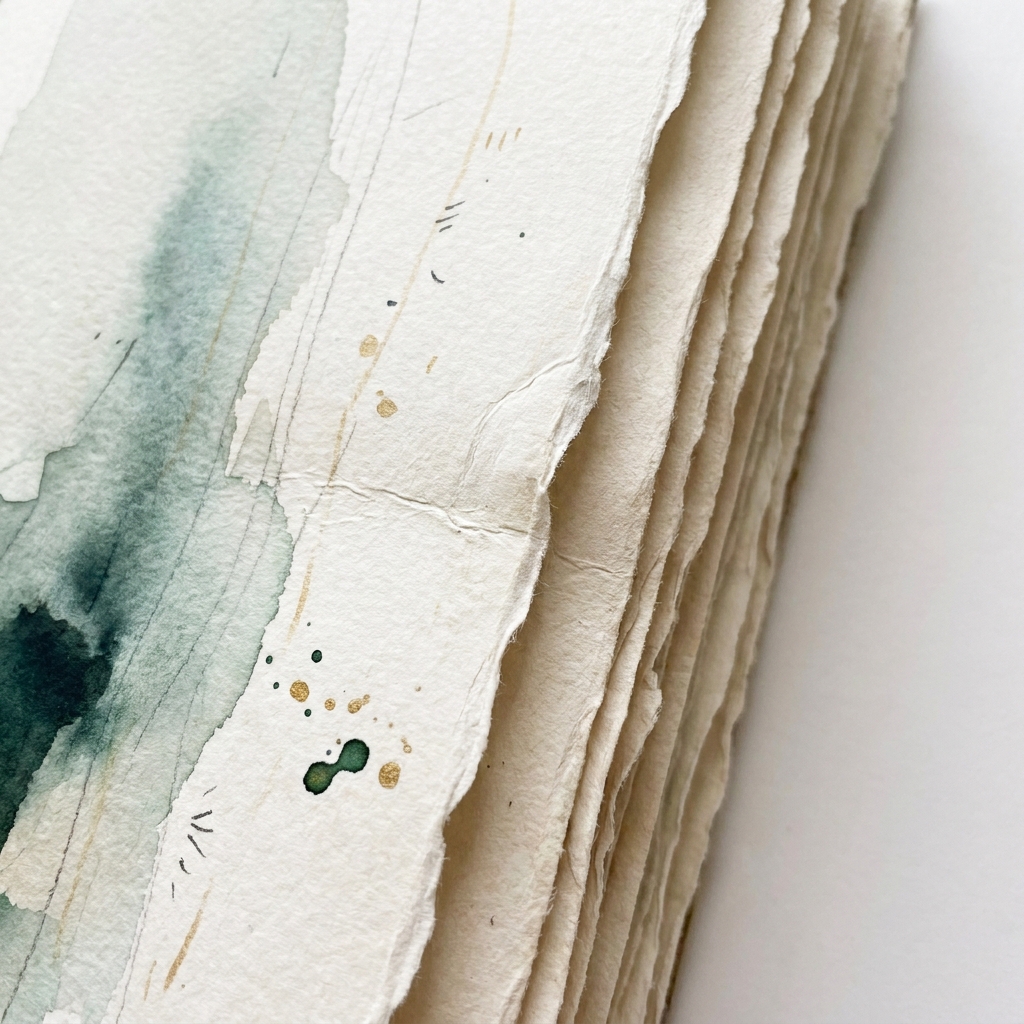
To match supplies to your workflow, list the media you use most and choose paper and adhesives that suit them. If you expect to use lots of washes, pick a 200 to 300 gsm watercolor or mixed-media paper. For mostly dry media and quick sketches, a 120 to 160 gsm heavyweight sketch paper can be fine. Keep your priorities, portability, durability, and cost, in mind when buying.
How to start an art journal: preparing pages and essential techniques
Priming pages with gesso can help when you want to reduce absorbency and create a stable surface for layered techniques. Gesso is an acrylic-based primer used to reduce absorbency and prepare surfaces for layered mixed-media techniques, and applying a thin, even layer can make lightweight pages take paint more predictably.
When you use gesso, work thin and let each layer dry fully before adding the next. Thick heavy applications can crack or add unwanted stiffness; a couple of thin coats will change surface tooth and absorbency while keeping the page flexible.
How can I create an art journal that I will keep using and that will last?
Choose paper and adhesives that match your media, prepare pages with simple techniques like thin gesso where needed, adopt reversible attachment methods, and build a short daily routine with a 30-day plan to form a lasting practice.
Choice of adhesive matters for both stability and reversibility. For attaching photos or heavier ephemera, reversible methods such as photo corners provide a safer long-term solution than pressure-sensitive tapes. Where you need a secure bond for mixed-media layers, pH-neutral adhesives are the better conservation-aware option.
Practical drying and flattening steps reduce problems like cockling. Let wet layers dry completely on a flat, supported surface. If a page bubbles slightly from a wash, press it under a clean, heavy board once dry, using interleaving paper to protect the surface. Avoid heating pages to speed drying, as rapid changes can stress fibers.
How to start an art journal: simple mixed-media workflows and page ideas
Layering with intention helps create balanced pages that avoid excessive buckling and staining. Start with a primed or sized base, then add a light wash, follow with collage elements attached with reversible methods, and finish with dry media accents. Planning layering order and giving each layer time to dry lowers the chance of unwanted bleed-through.
When adding collage, sewing, or ephemera, think about how each addition will age. Mount paper ephemera with photo corners for originals, or suitable craft glue for expendable copies, and avoid pressure-sensitive tapes. Sewing elements into a page can be both decorative and stable, but choose thread and stitch that do not pull or tear the paper.
Here are short exercises that make a complete page in 15 minutes: a timed five-minute sketch, a quick one-color wash over the sketch, and a final layer of ink or pencil details. These micro-projects prioritize finishing a page and building momentum, while also showing how controlled layers can look cohesive without complex materials.
Another simple prompt is to combine a found paper scrap, a two-color wash, and one handwritten sentence about the day. The small, time-boxed format helps you practice finishing pages and keeps materials manageable.
How to start an art journal: building a habit with a 30-day starter plan
A 30-day plan is a practical creative experiment, not a promise that a habit will form in exactly one month. Use the outline below to find a routine that fits your week.
Week one focuses on familiarity: commit to ten minutes a day for simple prompts such as color swatches or one-object sketches. Week two increases variety: try two short mixed-media exercises and experiment with one new material. Week three encourages refining: pick a page style you liked and make three variations. Week four consolidates habit: set a sustainable weekly rhythm and pick a small archive goal, for example completing a signature of pages.
Daily micro-routines can be brief. Keep a small kit ready and set a consistent short time slot to reduce friction. Tracking progress with a simple checklist builds a sense of completion, and adjusting the plan for busier days with 5-minute 'maintenance' pages prevents drop-off while keeping momentum.
If you fall behind, reduce expectations rather than stop entirely. Short, positive recovery steps such as finishing a single small page or revisiting a favorite prompt get you back into the habit without pressure.
How to start an art journal: storage, care and common mistakes to avoid
Environmental risks matter for finished journals. Light, humidity fluctuations, and pollutants accelerate paper damage, so keep journals out of direct sunlight and in stable, moderate environments to slow deterioration and discoloration.
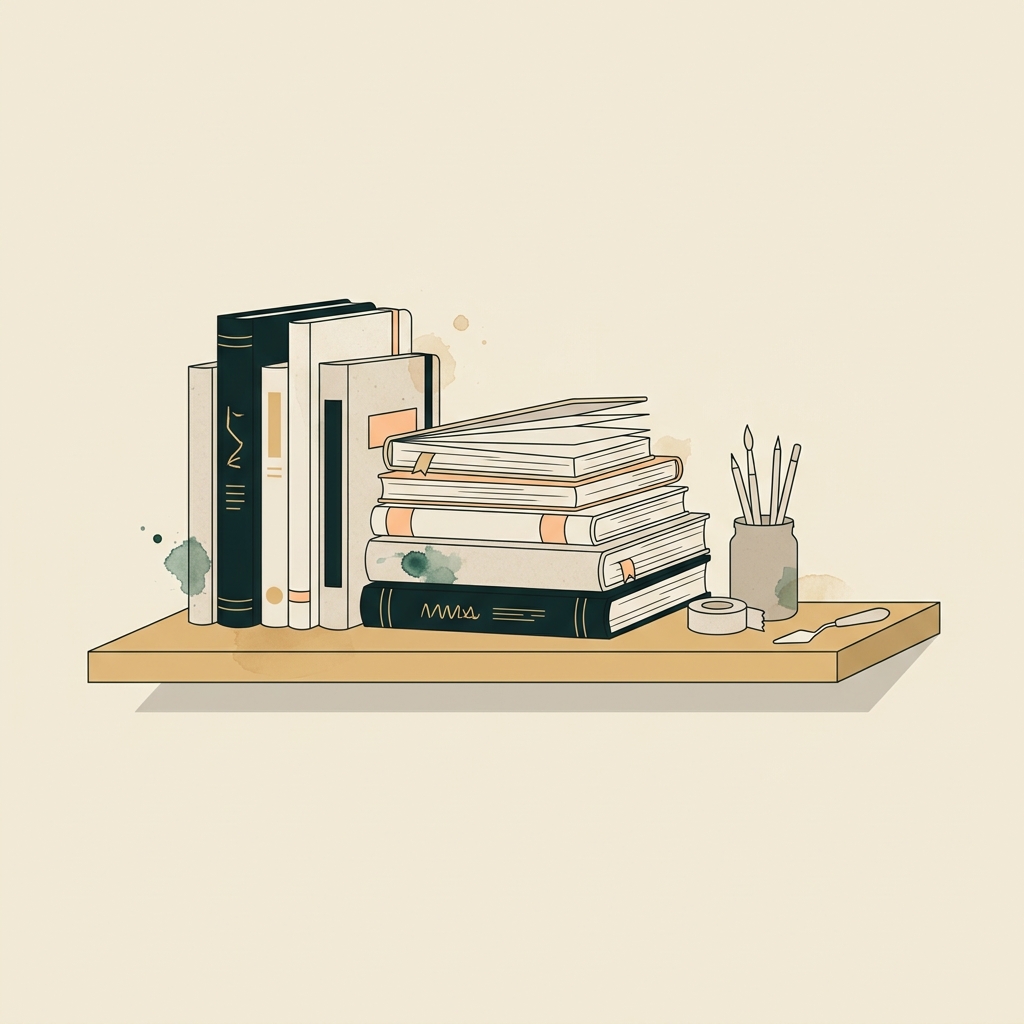
Practical storage advice helps preserve work: store journals upright on shelves with support to prevent slumping, keep them away from humid basements or attics, and use protective boxes or slipcases for long-term storage. These simple habits reduce the chance of warping and staining.
Common beginner mistakes include using lightweight sketch papers for heavy wet media and relying on pressure-sensitive tapes for attachments. Lightweight papers often cockle and stain when wet, and tapes can yellow or lift; choosing heavier mixed-media or watercolor stocks and reversible mounting methods avoids these problems.
Finally, general care steps are low-effort but effective: let pages dry fully before closing a book, interleave delicate spreads with plain paper to protect surfaces, and avoid displaying journals in direct sunlight. These small routines make a big difference in how well a journal ages.
A compact starter kit for mixed-media practice
Frequently asked questions
What paper should I use for mixed media pages?
Choose heavier watercolor or mixed-media papers for wet media and washes; they're less likely to buckle than lightweight sketch papers.
Is gesso necessary for art journal pages?
Gesso can help by reducing absorbency and creating a stable surface for layers, but use thin coats and test on a spare page first.
How long does it take to form an art journaling habit?
There is no fixed deadline. Try the 30-day starter plan as an experiment, then adapt the frequency to what you can sustain.
Start small, keep materials simple, and prioritize one or two durable choices that match how you like to work. Over time, you can expand your kit and refine your techniques without compromising the longevity of your pages. If preservation is a priority, choose suitable paper and attachment methods early and allow drying and storage habits to become part of your routine. This will help your art journal remain a meaningful archive of your work.
Keeping original photographs safe
Use copies for experiments with glue and paint. For irreplaceable originals, the National Archives recommends mounting without adhesive, and the Library of Congress describes non-adhesive mounting options. A label such as “archival” does not make every glue reversible.